Nicole Sweeney
Host
Crash Course Sociology (2017)
Sociology
In 44 videos, Nicole Sweeney will teach you sociology! This course is based on an introductory college level curriculum, with Sociology, 15th edition, by John J. Macionis as its reference text. By the end of this course, you will be able to: * Understand what makes sociology a science and how sociological investigations occur * Recognize the social institutions that operate within the United States and influence cultural norms * Contextualize key sociological theories within history and the field of sociology * Discuss the way social groupings, interactions, and stratifications are constructed within societies and construct our behavior * Predict how social class, stratification, and institutions create or improve inequalities
Released March 13, 2017
None+
Genres: Documentary
Keywords: imdb.sociology, imdb.youtube-video, imdb.educational
Network: YouTube
Country: United States
Languages:
English


S1E1 - What Is Sociology?
Today we kick off Crash Course Sociology by explaining what exactly sociology is. We’ll introduce the sociological perspective and discuss how sociology differentiates itself from the other social sciences. We’ll also explore what sociology can do, and how a concern with social problems was at the center of sociology's beginnings.
March 13, 2017, midnight
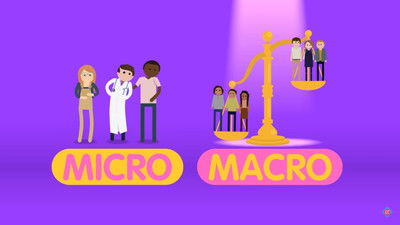
S1E2 - Major Sociological Paradigms
This week we introduce sociology’s three major theoretical paradigms, and some of the advantages and disadvantages of each paradigm.
March 20, 2017, midnight
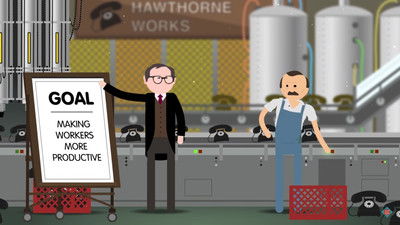
S1E3 - Sociology & the Scientific Method
What puts the “science” in social science? Today we’ll explore positivist sociology and how sociologists use empirical evidence to explore questions about the social world. We’ll also introduce two alternatives: interpretative sociology and critical sociology.
March 27, 2017, midnight
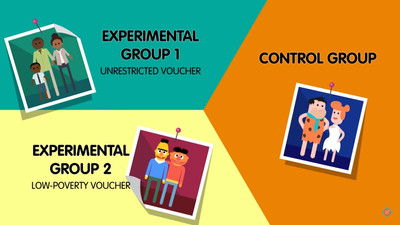
S1E4 - Sociology Research Methods
Today we’re talking about how we actually DO sociology. Nicole explains the research method: form a question and a hypothesis, collect data, and analyze that data to contribute to our theories about society.
April 3, 2017, midnight

S1E5 - Émile Durkheim on Suicide & Society
Now that we’ve talked a little bit about how sociology works, it’s time to start exploring some of the ideas of the discipline’s founders. First up: Émile Durkheim. We’ll explain the concept of social facts and how Durkheim framed sociology as a science. We’ll introduce the idea of common consciousness and how Durkheim believed it binds society together. We’ll also talk about Durkheim’s studies on suicide and how he applied his concepts to a specific social problem.
April 10, 2017, midnight
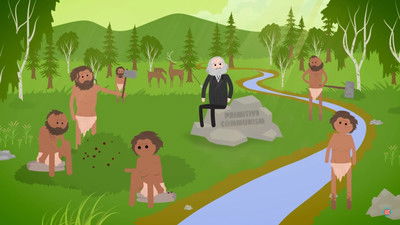
S1E6 - Karl Marx & Conflict Theory
Today we’ll continue to explore sociology’s founding theorists with a look at Karl Marx and his idea of historical materialism. We’ll discuss modes of production, their development, and how they fit into Marx’s overall theory of historical development, along with class struggle and revolution. We’ll also discuss how Marx’s ideas gave rise to Gramsci’s idea of hegemony, and to conflict theories more generally.
April 17, 2017, midnight
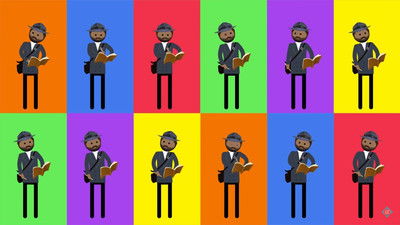
S1E7 - Du Bois & Race Conflict
We’re continuing our exploration of conflict theories with W.E.B. Dubois, who is one of the founders of sociological thought more broadly and the founder of race-conflict theory. We’ll discuss shifting ideas about race, Dubois’ idea of ‘double-consciousness’, and the modern day field of racial identity. We’ll explore the idea racial formation and discuss Dubois’ survey of African Americans in Philadelphia to look at how economic, political, and social structures affect how we perceive different races – and vice versa. We’ll also discuss the activist side of Dubois’ life as co-founder of the NAACP and editor of the Crisis, and how modern day sociologists study racial politics and racial resistance.
April 24, 2017, midnight
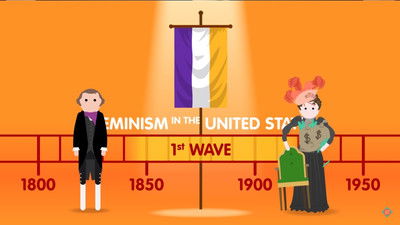
S1E8 - Harriet Martineau & Gender Conflict Theory
Today we’re exploring another branch of conflict theory: gender conflict theory, with a look at sociology’s forgotten founder, Harriet Martineau. We’ll also discuss the three waves of feminism, as well as intersectionality.
May 1, 2017, midnight
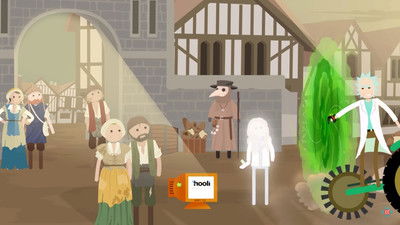
S1E9 - Max Weber & Modernity
This week we are wrapping up our overview of sociology’s core frameworks and founding theorists with a look Max Weber and his understanding of the modern world. We’ll explore rationalization and the transition from traditional to modern society. We’ll also discuss bureaucracy, legitimacy, and social stratification in the modern state. Finally, we’ll see why Weber was so worried about the modern world.
May 8, 2017, midnight

S1E10 - Symbols, Values & Norms
What exactly is culture? This week we’re going to try to answer that, and explain the difference between material and non-material culture. We’ll look at three things that make up culture: symbols, values and beliefs, and norms. We’ll explore Sapir-Whorf hypothesis (and some of its problems) and how language influences culture. Finally, we’ll talk about the three types of norms – folkways, mores, and taboos – which govern our daily life.
May 15, 2017, midnight
S1E11 - Cultures, Subcultures, and Countercultures
What is culture? How do we define it and how does it change? We’ll explore different categories of culture, like low culture, high culture, and sub-cultures. We'll also revisit our founding theories to consider both a structural functionalist and a conflict theory perspective on what cultures mean for society.
May 22, 2017, midnight

S1E12 - How We Got Here
So we know that sociology is the study of society, but what exactly *is* a society? Today we’re going to find out. We’ll look at Gerhard Lenski's classification of societies into five types, and the technological changes that turn one into another. We’ll also return to Marx, Weber, and Durkheim to consider how they understood societal change. Finally, we’ll explore Durkheim's concept of social solidarity.
June 5, 2017, midnight

S1E13 - Social Development
What makes you… you? How did you get to be that way? Today we’re talking about social development, starting with the role of nature and nurture in influencing a person’s development. We’ll discuss socialization, the importance of care & human interaction, as well as theories of development from a range of theorists.
June 12, 2017, midnight
S1E14 - Socialization
Last week we introduced the idea of socialization and today we’re talking a little more about how it works, including an introduction to five main types of socialization. We’ll explore anticipatory socialization from your family, the “hidden curriculum” in schools, peer groups, the role of media in socialization, and we’ll discuss total institutions and how they can act as a form of re-socialization.
June 19, 2017, midnight

S1E15 - Social Interaction & Performance
How do sociologists study and understand social interaction? Today we’ll explain the language sociologists use to discuss how we interact with the social world. What are statuses and roles? How are they different? How do you acquire them? We’ll talk about why these things matter by exploring the socially constructed nature of reality. We’ll also discuss the theory of dramaturgical analysis and how we can understand social interaction as in terms of theatrical performance.
June 26, 2017, midnight

S1E16 - Social Groups
How do the groups that you're part of affect you? How do you, in turn, affect those groups? Today we are talking about how people in society come together with a look at social groups. We’ll look at what social groups are, the different kinds of groups that exist, group dynamics, leadership, conformity, networks and more!
July 3, 2017, midnight

S1E17 - Formal Organizations
Today we are exploring the world of formal organizations. We’ll go back to the historical process of rationalization and its impact on organizations in the form of bureaucracy and then discuss how organizations change in response to their organizational environment. We will also go over the negative consequences of rationalization in organizations.
July 10, 2017, midnight

S1E18 - Deviance
What is social deviance? Who defines what is deviant and how to people come to behave that way? Today we’re going to explore biological and psychological approaches to explaining deviance, including what each perspective can bring to the table, and their inherent limitations. From there, we’ll explain the sociological perspective and the social foundations of deviance.
July 17, 2017, midnight

S1E19 - Theory & Deviance
Last week we introduced deviance as a concept, but today we’re going return to our major paradigms in sociology and how each approaches deviance. We’ll explore how structural functionalism sees deviance fulfilling a function in society; how deviance is constructed, according to symbolic interactionism; and finally, how conflict theory views deviance as tied to power and inequality.
July 24, 2017, midnight
S1E20 - Crime
We’ve talked about deviance more broadly, but today we’re focusing on crime, specifically in the US. We’ll start with legal definitions of crime and use FBI data to get an idea of the amount and kinds of crime committed in the US. We’ll also use that date to paint a demographic picture of who gets arrested, and explain why that’s not necessarily a full look of who commits crime. We’ll also discuss society’s response to crime in the criminal justice system, and how that response has resulted in mass incarceration.
July 31, 2017, midnight
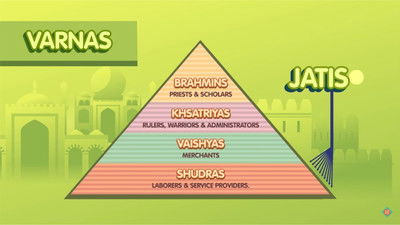
S1E21 - Social Stratification
How do different societies establish a social hierarchy? Today we’re starting our unit on social stratification, starting with four basic principles of a sociological understanding of stratification. We’ll explain open and closed systems of stratification and explore examples of different kinds of stratification systems, including caste systems and class systems.
Aug. 7, 2017, midnight

S1E22 - Why is there Social Stratification?
As we get into our unit on stratification, we inevitably return to our old friends, the three sociological paradigms. How to structural functionalism, social conflict theory, and symbolic interactionism each think about stratification? How does ideology and help stratification reproduce itself? What did Marx and Weber have to say about all of this? And at the micro level, how does stratification work in everyday life?
Aug. 14, 2017, midnight
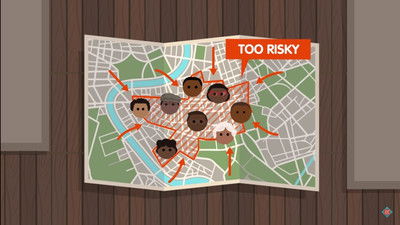
S1E23 - Social Stratification in the US
Today we are continuing our unit on stratification by exploring inequality in the US and talking about five ways that social stratification plays out in the US: income inequality, wealth inequality, political power, occupational prestige, and educational attainment.
Aug. 21, 2017, midnight

S1E24 - Social Class & Poverty in the US
Today we are continuing our unit on stratification by exploring inequality in the US and talking about five ways that social stratification plays out in the US: income inequality, wealth inequality, political power, occupational prestige, and educational attainment.
Sept. 11, 2017, midnight
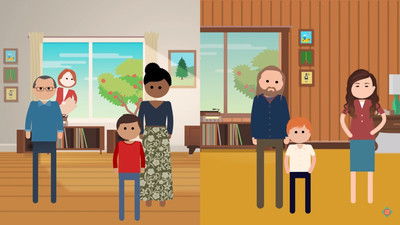
S1E25 - The Impacts of Social Class
This week we are building on last week’s outline of American stratification to explore how class differences affect people’s daily lives. We’ll explore variations in everything from values & beliefs to health outcomes, and look at how these things can perpetuate inequality across generations.
Sept. 18, 2017, midnight

S1E26 - Social Mobility
Today we’re exploring social mobility in some more depth. We’ll look at intergenerational and intragenerational mobility and the difference between absolute and relative mobility. We’ll go over the long run upward social mobility trends in the United States, as well as recent declines in absolute social mobility. We’ll also explore how opportunities for social mobility differ by class, race, and gender.
Sept. 25, 2017, midnight
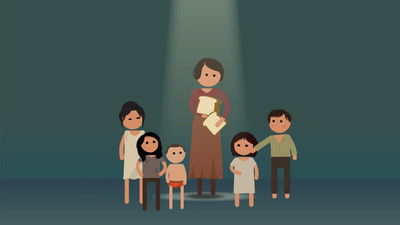
S1E27 - Global Stratification & Poverty
This week we’re taking our discussion of stratification global. We’ll look at First and Third World countries and the reasons why these terms are no longer used. We’ll introduce the four types of country categories we now use: high income, upper middle income, lower middle income, and low income countries. We’ll also go over some consequences of and explanations for global poverty.
Oct. 2, 2017, midnight

S1E28 - Theories of Global Stratification
Today we’ll discuss two theories of global stratification. First, we’ll go over modernization theory and Walt Rostow’s Four Stages of Modernization. Next, we’ll explain dependency theory, the legacy of colonialism, and Immanuel Wallerstein’s Capitalist World Economy Model.
Oct. 9, 2017, midnight
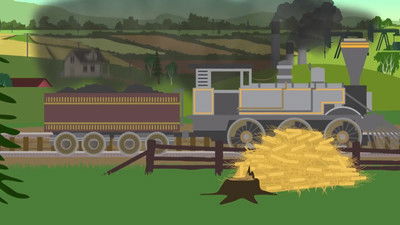
S1E29 - Economic Systems & the Labor Market
This week we’ll see how economies can be broken down into the primary, secondary, and tertiary sectors. We’ll look at the three stages of economic revolution that brought us to the modern post-industrial era. We’ll also explore two types of economic models: capitalism and socialism.
Oct. 16, 2017, midnight

S1E30 - Politics
While politics is generally seen as the domain of a civics class (and Craig did a great job of teaching US Government & Politics elsewhere on this channel!) it’s something that sociology is interested in too. Today we’re looking at the sociological approach to politics, different types of authority and political systems, and different sociological theories of power.
Oct. 23, 2017, midnight

S1E31 - Sex & Sexuality
While sociology is a social science, we can use it to explore some intensely personal, private things. Today we’ll explore what sociology can tell us about sex and sexuality. We’ll also see what the three sociological paradigms have to say about sexuality and sexual orientations.
Oct. 30, 2017, midnight
S1E32 - Gender Stratification
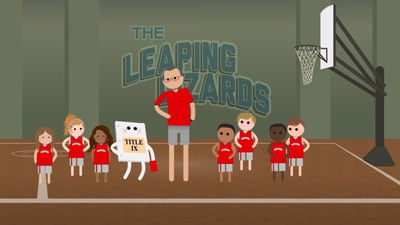
Today we’re looking at how society becomes stratified along gender lines. We’ll discuss Raewyn Connell’s concept of hegemonic masculinities and emphasized femininities. We’ll explore gender socialization in the home, media, and schools. Finally, we’ll explain how gender stratification results in different outcomes by gender in education, occupations, earnings, and criminal activity.
Nov. 6, 2017, midnight
S1E33 - Theories of Gender
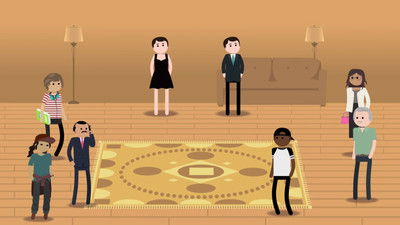
Why is gender even a thing? To answer that, we’re going back to our three sociological paradigms and how each school of thought approaches gender theory. We’ll look at the structural functionalist view that gender is a way of organizing society into complementary roles, the symbolic interactionist take on how gender guides our daily life, and conflict theory’s ideas about how gender distributes power within society.
Nov. 13, 2017, midnight
S1E34 - Race & Ethnicity
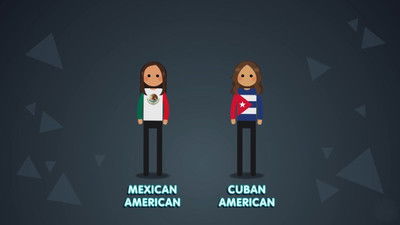
What’s the difference between race and ethnicity? Today we’ll look at how definitions of races and ethnicities have changed over time and across places. We also discuss the terms minority and minority-majority and how races are defined in the United States.
Nov. 20, 2017, midnight
S1E35 - Racial/Ethnic Prejudice & Discrimination
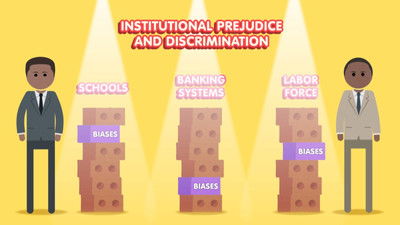
We can’t talk about race without also discussing racism, so today we are going to define and explain prejudice, stereotypes, and racism. We’ll look at five theories for why prejudice exists. We’ll discuss discrimination and the legacies of institutional racism. We’ll also provide an overview of four types of racial interaction: pluralism, assimilation, segregation, and genocide.
Nov. 27, 2017, midnight

S1E36 - Age & Aging
People are getting older – not just in the individual sense, but the human population itself. Today we’re going to explore those shifting patterns and their implications. We’ll go over the biological, psychological, and cultural aspects of aging, including some of the particular challenges that older individuals face.
Dec. 4, 2017, midnight

S1E37 - Theories About Family & Marriage
Today we’ll explore how sociology defines family and the different terms used to describe specific types of family. We’ll look at marriage in different societies, as well as marital residential patterns and patterns of descent. And, of course, we’ll go over the three sociological schools of thought on the societal role of marriage and family.
Dec. 11, 2017, midnight
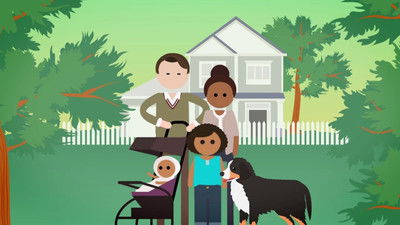
S1E38 - Stages of Family Life
One way of thinking about family life says that there are stages that families move through: courtship, marriage, child-rearing, and family life in your later years. We’ll also discuss changing patterns of marriage and childbearing in the US, highlighting some of the varied family types that exist.
Dec. 18, 2017, midnight
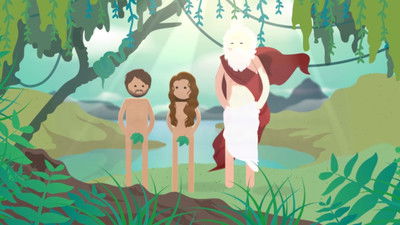
S1E39 - Religion
Today we’re turning our sociological eye to another major social institution: religion. We’ll use symbolic interactionism to help us understand the dichotomy of the Sacred vs. the Profane. We’ll compare the perspectives of structural functionalists and conflict theorists on whether religion improves social cohesiveness or increases social stratification. We’ll also explore how religious practice in the US differs across race and class lines.
Jan. 8, 2018, midnight
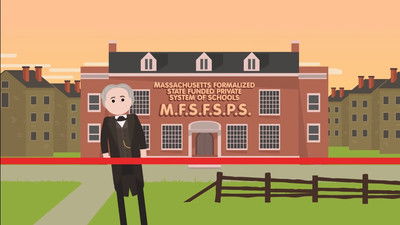
S1E40 - Education In Society
Today we’ll explore the history of education as a social institution, with a specific focus on how the US organizes its educational system. We’ll look at education through the lenses of some sociological paradigms: structural functionalist approaches (including some of the manifest and latent functions associated with education), and a symbolic interactionist approach to education that shows us how self-fulfilling prophecies in educational settings contribute to differences in academic outcomes for students.
Jan. 15, 2018, midnight
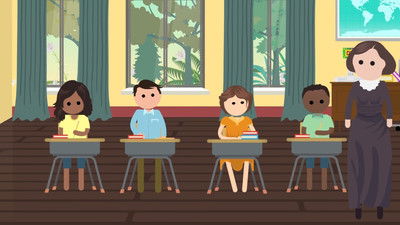
S1E41 - Schools & Social Inequality
In the second half of our education unit, we’re using conflict theory to explore a few social inequalities in the US education system. We’ll look at variation in school funding and quality, the role of cultural capital, and some of the ways in which the American school system disadvantages minority students.
Jan. 22, 2018, midnight
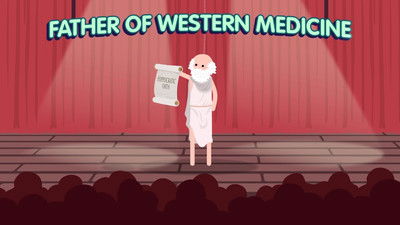
S1E42 - Health & Medicine
Our final unit of Crash Course Sociology is medical sociology. Today we’ll explain what it is and get an overview of the role of society in our notions of health and disease.
Jan. 29, 2018, midnight
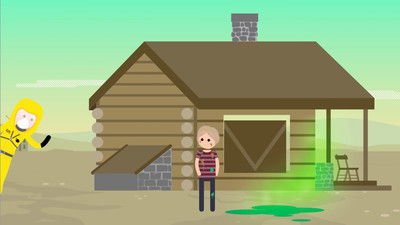
S1E43 - Population Health
We’re continuing our unit on health with a discussion of some of the indicators that help us measure health for different populations. We’ll also explore three contributors to health disparities: individual factors like genetics, physical factors like pollution, and social factors like stress.
Feb. 5, 2018, midnight
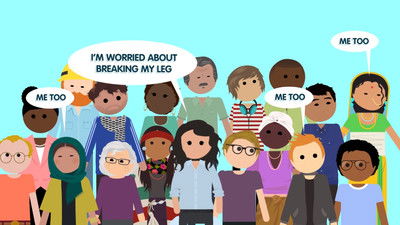
S1E44 - The Structure & Cost of US Health Care
In our final episode of Crash Course Sociology we are going to talk about what the health care system in the US looks like, the five A’s of health care accessibility, and a couple of contributing factors to the affordability of health care: fee for service care and the structure of our health insurance system which encourage higher spending.
Feb. 12, 2018, midnight
Network: YouTube
Released: March 13, 2017
Status: Ended
Certification: NR
Rate this show
Add {Movie} to static lists